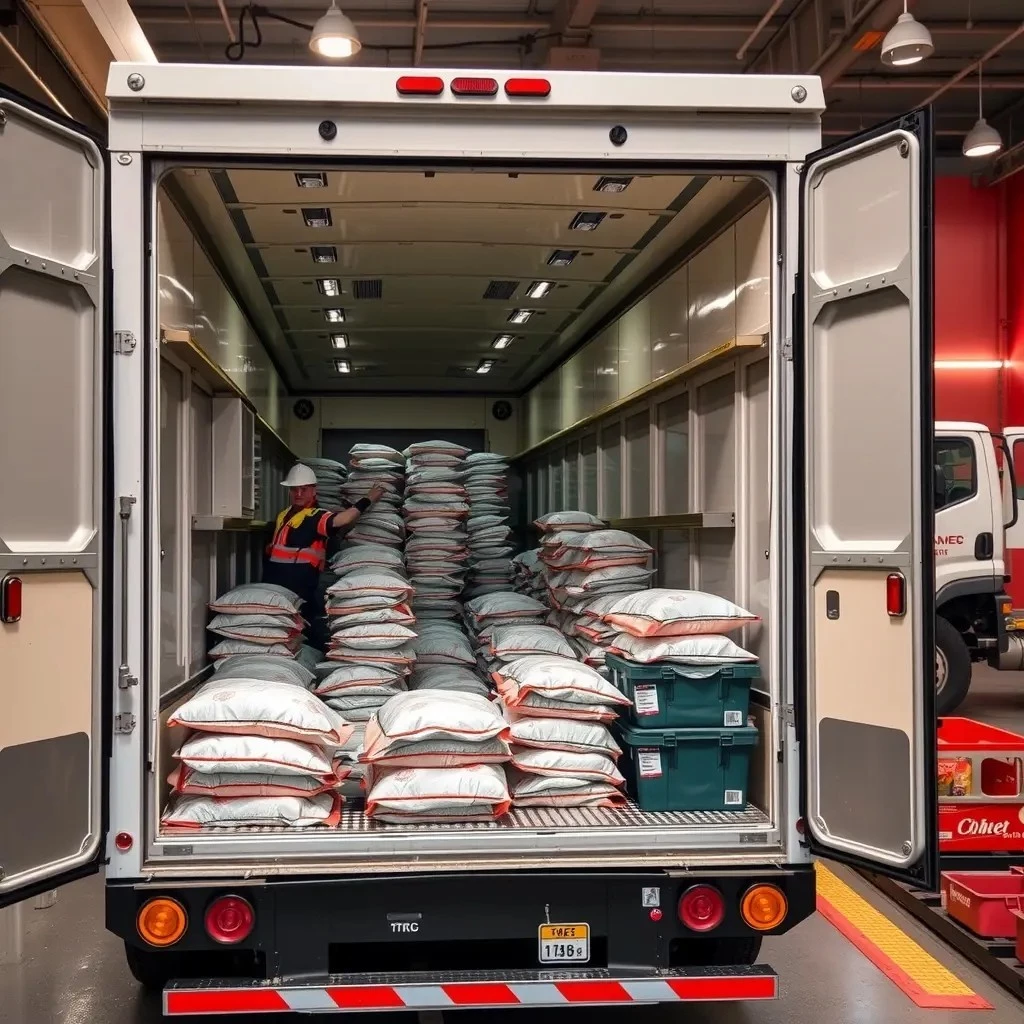
The transportation of fillet of fish is a complex process that requires meticulous attention to detail and precise logistics. Ensuring the freshness and quality of these perishables is paramount, making refrigeration and temperature control indispensable components of the supply chain. This article explores how fillet of fish is transported via trucking, highlighting the crucial elements that contribute to maintaining food safety and freshness.
Refrigeration and Temperature Control
Refrigeration is the backbone of the seafood industry’s logistics. Fillet of fish, being highly perishable, must be kept at optimal temperatures throughout the supply chain. Temperature control is typically achieved using refrigerated trucks, also known as “reefers,” which are equipped with advanced cooling systems to maintain the required cold storage conditions.
Insulated Containers and Packaging
The use of insulated containers is critical in preserving the quality of fish fillets during transportation. These containers provide an additional layer of protection against temperature fluctuations. Proper packaging is also essential, utilizing materials that are both insulating and hygienic to prevent contamination and maintain freshness during delivery.
Handling Procedures and Food Safety
Handling procedures play a significant role in ensuring food safety. Trucking companies must adhere to stringent guidelines to prevent spoilage and contamination. This includes proper loading and unloading techniques, cross-docking practices to minimize handling time, and regular inspections to ensure compliance with food safety standards.
Route Optimization and Load Management
Route optimization is a critical factor in the transportation of fillet of fish. Efficient routing reduces transit time, preserving the freshness of the seafood. Load management is also important, ensuring that the weight distribution within the truck is balanced to prevent damage to the goods and optimize fuel efficiency.
Distribution and Transportation in the Seafood Industry
The seafood industry relies heavily on efficient distribution networks to deliver products swiftly and safely. Trucking is a key mode of transportation, providing the flexibility needed to cover vast distances. The success of distribution largely depends on the coordination between seafood suppliers, trucking companies, and logistics providers.
Environmental Regulations
Environmental regulations are increasingly influencing the transportation of perishable goods like fillet of fish. Regulations may dictate the type of refrigerants used in cooling systems, emissions standards for trucks, and waste management practices. Adhering to these regulations is crucial for companies to operate sustainably and reduce their environmental impact.
Challenges in the Freight Industry
Transporting fillet of fish poses several challenges, including maintaining consistent temperature control, ensuring timely delivery, and managing costs. Freight companies must continuously innovate to overcome these challenges, utilizing technology for tracking and monitoring, improving handling procedures, and investing in high-quality refrigerated equipment.