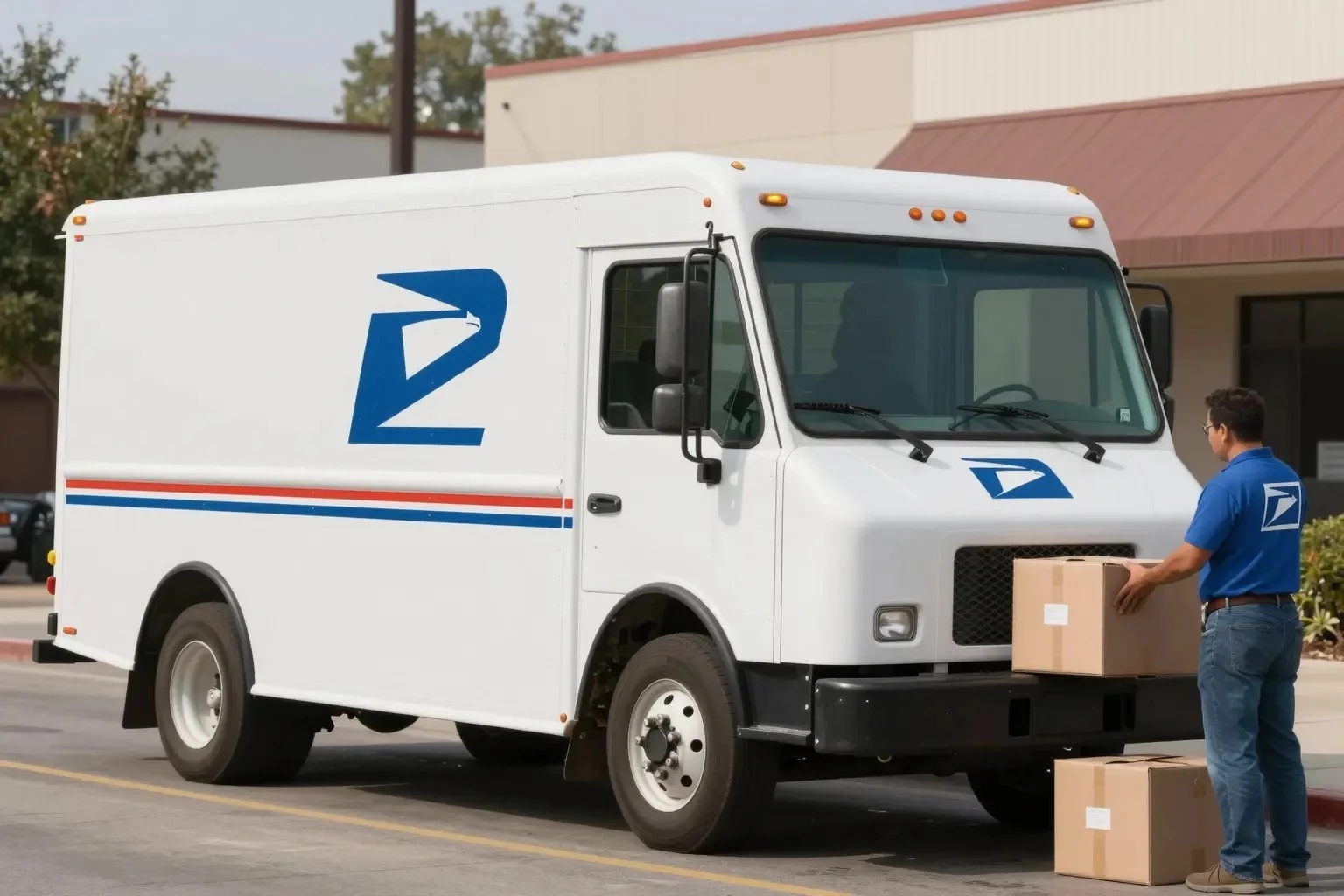
The United States Postal Service (USPS) is a critical component of the nation’s communication and logistics infrastructure. It handles the transportation of millions of packages, letters, and parcels every day across the country. A key aspect of this immense task is the USPS’s use of trucks and other vehicles to ensure timely and efficient delivery.
The Role of Trucks in USPS Operations
Trucks are an essential part of the USPS transportation network. They are used extensively to transport packages, mail, and freight between distribution centers, local post offices, and delivery points. The USPS fleet includes a wide variety of vehicles designed to meet different logistical needs, ranging from small delivery trucks to large freight vehicles.
Types of Vehicles in the USPS Fleet
- Delivery Trucks: These are the most common type of vehicles used by USPS carriers for delivering mail directly to homes and businesses. They are designed to navigate urban and suburban routes efficiently.
- Freight Trucks: Larger trucks are used to move bulk shipments between major distribution centers and regional hubs. These trucks handle larger volumes of parcels and packages, facilitating efficient long-distance transport.
- Specialized Vehicles: The USPS also employs specialized vehicles such as refrigerated trucks for temperature-sensitive packages, and hybrid or electric vehicles to reduce environmental impact.
Logistics and Routes
The USPS carefully plans its logistics and routes to optimize delivery efficiency. This involves a complex network of transportation routes that connect various parts of the country. Each route is designed to minimize travel time and fuel consumption while maximizing the volume of packages that can be delivered.
Planning Delivery Routes
Delivery routes are planned using sophisticated logistics software that takes into account factors such as traffic patterns, weather conditions, and package volumes. This ensures that each delivery truck operates on the most efficient route possible.
Infrastructure and Distribution
The USPS relies on an extensive infrastructure of distribution centers and postal facilities to handle the flow of packages and mail. These facilities are strategically located across the country to serve as hubs in the transportation network.
Distribution Centers
Distribution centers are key nodes in the USPS’s logistics chain. They receive incoming packages and sort them for delivery to their final destinations. Trucks are used to transport these sorted packages to local post offices, where they are loaded onto delivery vehicles for the last leg of their journey.
Challenges and Adaptations
Like any large-scale logistics operation, the USPS faces several challenges in managing its fleet and transport operations. These include maintaining an aging fleet, adapting to changing package volumes, and integrating new technologies to improve efficiency.
Fleet Maintenance and Upgrades
To ensure reliable service, the USPS must regularly maintain and upgrade its fleet of vehicles. This includes replacing older trucks with newer, more fuel-efficient models and incorporating alternative fuel vehicles into the fleet.
Technological Innovations
The USPS is continually exploring technological innovations to improve its logistics operations. This includes the use of GPS and route optimization software, as well as automated sorting systems in distribution centers to expedite package processing.
In conclusion, trucks play a vital role in the USPS’s ability to transport packages and deliver mail across the United States. Through a well-coordinated fleet of delivery and freight vehicles, the USPS ensures that millions of packages reach their destinations each day; As the logistics landscape continues to evolve, the USPS remains committed to adapting its fleet and operations to meet the demands of the future;