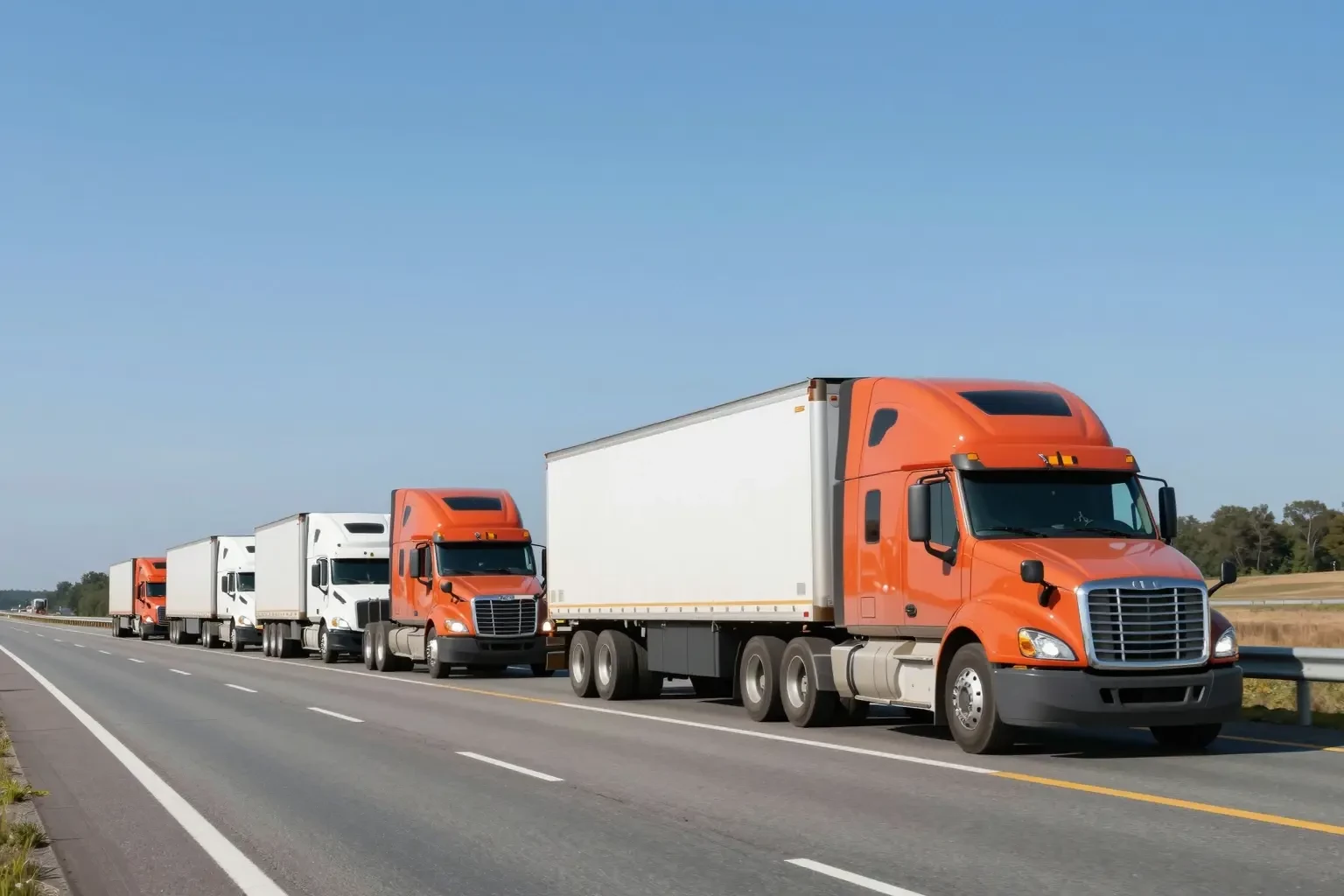
The transportation business with semi trucks plays a pivotal role in the global logistics and supply chain industry. As a fundamental component of freight movement, semi trucks facilitate the efficient delivery of cargo across vast distances, supporting commerce and economic growth. This article explores the complexities and dynamics of the trucking industry, focusing on logistics, freight management, and the critical aspects of transportation networks.
The Role of Semi Trucks in the Supply Chain
Semi trucks are indispensable within the supply chain, providing the flexibility and reach necessary to transport goods overland. As part of the broader logistics infrastructure, they connect manufacturers, distribution centers, and retail outlets, ensuring the seamless flow of products. This capability is crucial for maintaining the efficiency and reliability of supply chains across various sectors.
Trucking Industry Overview
The trucking industry is a cornerstone of the transportation network, responsible for moving a significant portion of freight. According to industry statistics, trucks transport approximately 70% of all freight tonnage in the United States. This dominance is attributed to the versatility and adaptability of trucking services, which can accommodate diverse cargo types and delivery timelines.
Key Components of the Transportation Network
- Commercial Vehicles: Semi trucks and trailers are the primary commercial vehicles used for long-haul transportation. These vehicles are designed for load capacity and durability, capable of carrying heavy and oversized cargo.
- Truck Drivers: Skilled truck drivers are essential to the industry’s success, as they ensure timely and safe delivery of goods. The demand for qualified drivers continues to grow, highlighting the importance of workforce development in the sector.
- Infrastructure: Highways, bridges, and intermodal transport facilities form the backbone of the transportation network, enabling efficient movement of freight. Ongoing investment in infrastructure is necessary to support the growing demands of the industry.
Challenges Facing the Trucking Industry
Despite its critical role, the trucking industry faces numerous challenges that impact its operations and efficiency. Addressing these challenges is vital for sustaining the industry’s growth and contribution to the economy.
Fuel Efficiency and Environmental Concerns
Fuel efficiency is a major concern for the trucking industry, as fuel costs constitute a significant portion of operational expenses. Advances in technology and alternative fuels are being explored to reduce fuel consumption and minimize environmental impact. Regulations aimed at reducing emissions further incentivize the adoption of more fuel-efficient vehicles and practices.
Regulatory Compliance
The trucking industry is subject to various regulations that govern safety, emissions, and labor practices. Compliance with these regulations is crucial for maintaining operational standards and avoiding legal penalties. However, navigating the complex regulatory landscape can be challenging for fleet management.
Fleet Management and Maintenance
Effective fleet management is critical for optimizing the performance and lifespan of commercial vehicles. Regular maintenance and route optimization are essential to prevent breakdowns and ensure timely deliveries. Implementing advanced fleet management systems can enhance tracking, scheduling, and resource allocation.
Innovations in the Trucking Industry
Innovation is driving transformative changes in the trucking industry, enhancing efficiency and service quality. These advancements are pivotal for meeting the evolving demands of the logistics and freight sectors.
Route Optimization
Route optimization technologies enable trucking companies to identify the most efficient paths for deliveries, reducing travel time and fuel consumption. By leveraging real-time data and predictive analytics, companies can enhance their transportation network’s responsiveness and adaptability.
Intermodal Transport
Intermodal transport involves the integration of multiple modes of transportation, such as rail, sea, and road, to optimize freight movement. This approach enhances load capacity and distribution efficiency, enabling seamless transitions between transport modes.
Advancements in Commercial Vehicle Technology
Technological advancements are revolutionizing commercial vehicles, with developments in automation, telematics, and alternative energy sources. Autonomous driving technology promises to increase safety and efficiency, while telematics systems provide valuable insights into vehicle performance and driver behavior.
The Future of the Trucking Industry
The future of the trucking industry is shaped by several trends and innovations that promise to redefine logistics and freight management. Embracing these changes is essential for maintaining competitive advantage and sustainability.
Emphasis on Sustainability
Sustainability is becoming increasingly important in the trucking industry, with efforts to reduce carbon footprints and enhance fuel efficiency. The adoption of electric and hybrid commercial vehicles is expected to rise, contributing to lower emissions and operational costs.
Infrastructure Development
Continued investment in infrastructure is crucial for supporting the transportation network’s expansion and resilience. Modernizing roads, bridges, and intermodal facilities will enhance freight capacity and distribution capabilities.
Digital Transformation
Digital transformation is accelerating across the trucking industry, with the integration of IoT, AI, and blockchain technologies. These innovations facilitate improved data management, transparency, and operational efficiency.
Workforce Development
Addressing the shortage of skilled truck drivers is imperative for sustaining industry growth. Initiatives to attract and retain talent, such as training programs and competitive compensation packages, are vital for workforce development.
The transportation business with semi trucks remains a dynamic and essential component of the logistics and supply chain ecosystem. By addressing challenges and embracing innovations, the trucking industry can continue to drive economic growth and meet the demands of an ever-evolving market. As the industry adapts to new technologies and sustainability goals, it will play a crucial role in shaping the future of freight transportation.