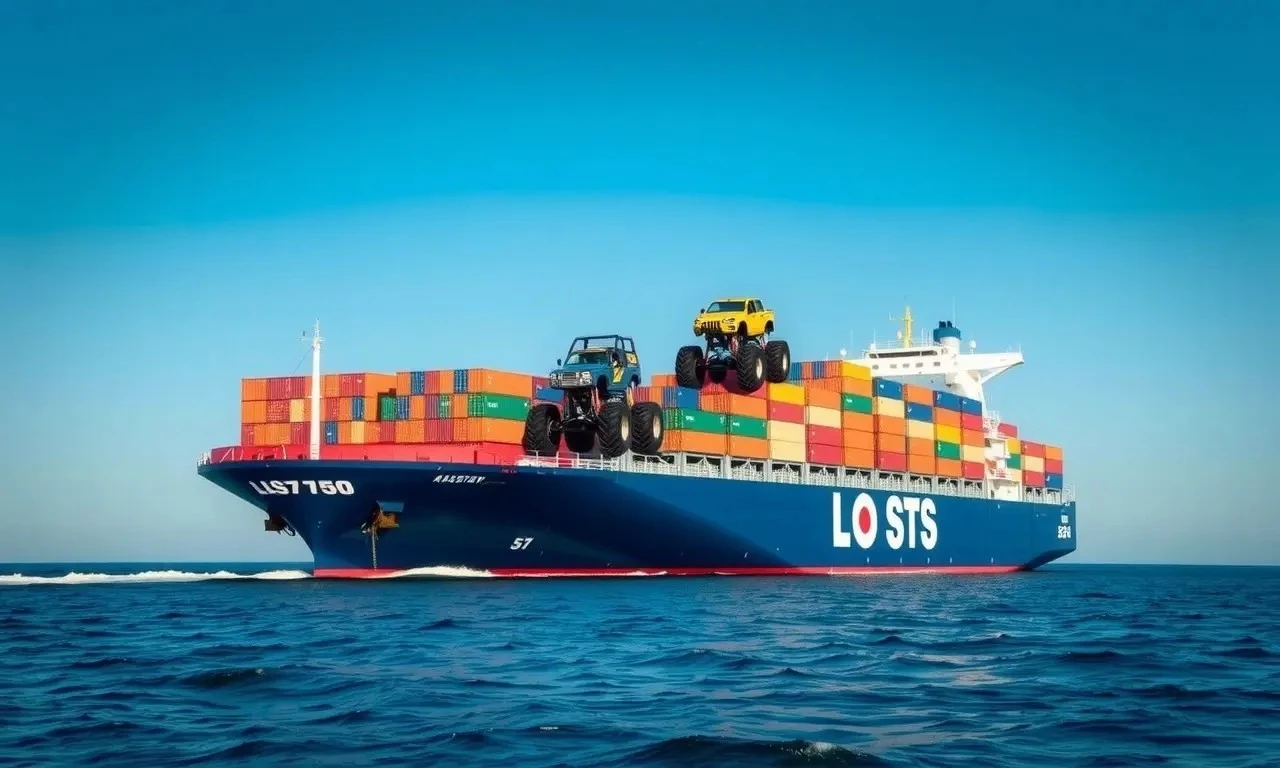
Transporting monster trucks overseas involves a complex logistical process that requires careful planning and coordination; The unique size and weight of monster trucks present specific challenges in shipping, freight, and logistics. This article explores the steps involved in the overseas transport of these massive vehicles, from container selection to customs regulations and insurance considerations.
Understanding the Shipping Process
Shipping monster trucks overseas begins with selecting the appropriate method of transport. Due to their size, these vehicles cannot be transported using standard containers. Instead, specialized equipment and shipping methods are required to ensure safe and efficient transport.
Freight Options for Monster Trucks
There are several freight options available for shipping monster trucks:
- Roll-On/Roll-Off (RoRo): This method involves driving the monster truck onto a specialized vessel designed to carry wheeled cargo. RoRo is often the most convenient option, as it eliminates the need for additional loading and unloading equipment.
- Flat Rack Container: This option involves securing the monster truck onto a flat rack container, which allows for easy loading onto a cargo vessel. Although more costly than RoRo, it provides an alternative when RoRo service is unavailable.
- Open-Top Container: Suitable for slightly smaller monster trucks, this container allows for vertical loading to accommodate the truck’s height.
Choosing the Right Vessel
The choice of vessel is critical in transporting monster trucks. Shipping companies must consider the weight and dimensions of the vehicle to ensure the vessel’s capacity can accommodate it. Specialized vessels designed for heavy cargo are often used in these cases.
Logistics and Documentation
Once the shipping method and vessel are determined, the logistics process begins. This involves coordinating the transport route, ensuring compliance with international regulations, and preparing the necessary documentation.
Port Selection and Route Planning
Choosing the appropriate port is essential for efficient transport. Ports with facilities equipped to handle large vehicles and specialized loading and unloading equipment are preferred. The route must be planned to minimize transit time and cost while ensuring safety and regulatory compliance.
Customs and Import/Export Regulations
Navigating customs and import/export regulations can be complex. Proper documentation is essential to avoid delays and additional costs. Key documents include:
- Bill of Lading: A detailed list of the cargo, its destination, and shipping terms.
- Commercial Invoice: A document outlining the transaction between the buyer and seller, including itemized costs.
- Certificate of Origin: Verifies the country of manufacture, which may affect import duties.
Understanding international regulations is crucial to ensure compliance. Regulations vary by country and may include vehicle emissions standards, safety requirements, and import restrictions.
Handling and Safety Considerations
The safe handling of monster trucks during transport is paramount. Proper loading and unloading techniques are essential to prevent damage to the vehicle and ensure the safety of personnel.
Loading and Unloading Techniques
Loading and unloading monster trucks require specialized equipment, such as cranes or heavy-duty forklifts. Safety measures must be in place to secure the vehicle during transit, including the use of straps and braces to prevent movement.
Insurance and Risk Management
Insurance is a critical component of the shipping process. Policies should cover potential damages to the vehicle during transit, including loading and unloading accidents. Understanding the specific risks associated with maritime transport is essential for effective risk management.
Cost Considerations
The cost of transporting monster trucks overseas can vary widely based on several factors, including the method of transport, distance, and handling requirements.
Factors Affecting Shipping Costs
- Distance and Route: Longer distances and complex routes typically incur higher costs due to increased fuel and labor expenses.
- Size and Weight: Larger and heavier vehicles require specialized equipment and may incur additional fees.
- Port Fees and Taxes: Charges imposed by ports and customs can significantly affect overall costs.
Cost-Saving Strategies
To optimize costs, shippers can consider consolidating shipments, negotiating rates with shipping companies, and choosing less congested ports to reduce port fees.
Transporting monster trucks overseas is a complex process that requires careful planning and coordination across multiple facets of the shipping industry. From selecting the right freight method and vessel to navigating customs and ensuring safety, each step demands expertise and precision. By understanding the intricacies involved and employing strategic cost-saving measures, shippers can successfully manage the challenges of international transport.
The ever-evolving landscape of maritime logistics continues to present opportunities for innovation in the transport of oversized cargo, ensuring that even the mightiest of vehicles can safely and efficiently traverse the globe.