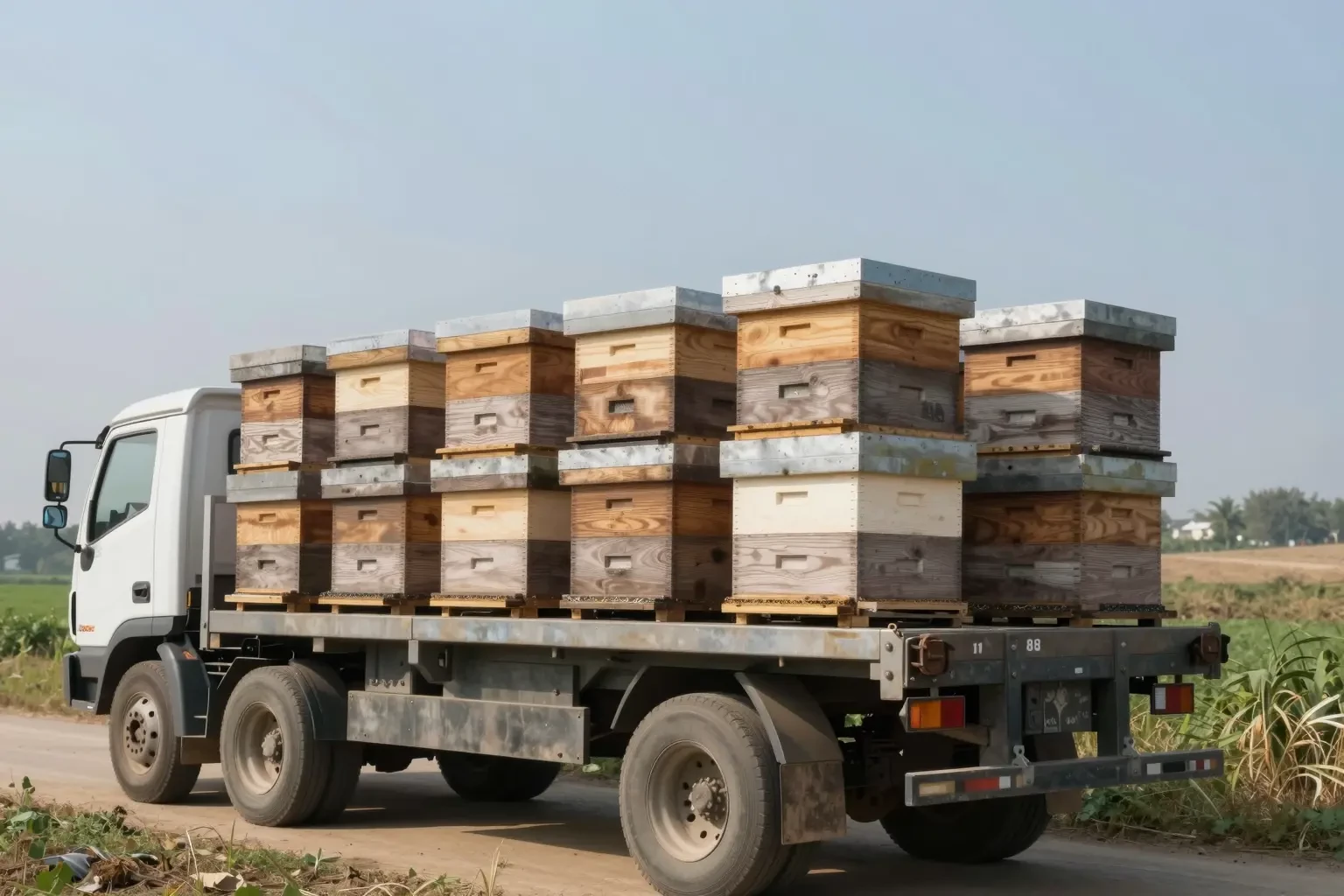
The art and science of beekeeping have evolved significantly over the years, particularly in the realm of transportation. With the crucial role bees play in pollination and agriculture, the migration of bee colonies is essential to maintaining healthy ecosystems and bountiful farms. This article delves into the intricate logistics involved in transporting bees by flatbed truck, exploring the methods and equipment used to ensure the safety and well-being of both the bees and the drivers.
The Importance of Bee Migration
Bees are vital to the pollination process that supports major crops around the world. Each year, beekeepers move millions of bees across various regions to optimize pollination and boost agricultural productivity. This seasonal migration helps maintain the balance within different habitats and supports the growth of diverse plant species.
Preparing for Transportation
The process of transporting bees begins with careful preparation and planning. Beekeepers must consider factors such as routes, temperature control, and the specific needs of each colony. The equipment and techniques involved are designed to minimize stress on the bees and ensure their protection during the journey.
Preparing the Hives
- Securing the Hives: Each hive is carefully secured to prevent movement during transit. This involves strapping hives to ensure they remain stable on the flatbed.
- Temperature Control: Temperature is a crucial factor; bees are sensitive to changes in temperature. Proper ventilation is provided to maintain an optimal environment within the hives.
- Netting: Nets are used to cover the hives to prevent bees from escaping during loading, transportation, and unloading.
Loading the Flatbed Truck
Loading hives onto a flatbed truck requires precision and care. Specialized equipment such as forklifts may be used to lift and place the hives. The loading process is typically conducted during cooler parts of the day or night to keep the bees calm.
The Journey: Transportation and Safety Measures
Once the hives are secured on the flatbed, the journey begins. Transportation of bees involves several safety and logistical considerations to ensure a successful migration.
Route Planning
- Route Selection: Choosing the best routes is crucial for minimizing travel time and exposure to extreme weather conditions.
- Weather Considerations: Monitoring weather conditions is essential to avoid any adverse effects on the bee colonies.
Driver Responsibilities
The drivers responsible for transporting bees must be well-trained and knowledgeable about the needs and behavior of bees. They play a critical role in ensuring the safety of both the bees and other road users by adhering to specific driving practices that minimize disturbances to the hives.
Safety and Protection
- Secure Fastening: Ensuring all hives are securely fastened to the flatbed to prevent any shifting during transit.
- Emergency Procedures: Having clear procedures in place for emergencies, such as unexpected stops or accidents, to protect the bees and the public.
Unloading and Settling at the Destination
Upon reaching the destination, the unloading process is carried out with the same level of care as the loading. Beekeepers ensure that the hives are placed in optimal locations to maximize pollination potential while considering the needs of the local ecosystem.
Unloading Process
- Time of Day: Similar to loading, unloading is preferably done during cooler times to keep the bees calm.
- Placement: Hives are strategically placed in the apiary to ensure they have access to abundant floral resources for pollination.
Challenges and Innovations
Transporting bees by flatbed truck is not without its challenges. Factors such as temperature control, road conditions, and the stress on bees must be continually managed. However, innovations in logistics and equipment have greatly improved the efficiency and effectiveness of bee migration.
Innovations in Bee Transportation
- Advanced Temperature Control: New technologies allow for better monitoring and regulation of temperatures during transit.
- Improved Hive Designs: Hive designs that facilitate better airflow and stability during transport.
The Future of Bee Transportation
As the demand for pollination services grows, the logistics of bee transportation will continue to evolve. Future developments may include more sustainable practices and advanced technologies to further safeguard bee colonies during their vital journeys.