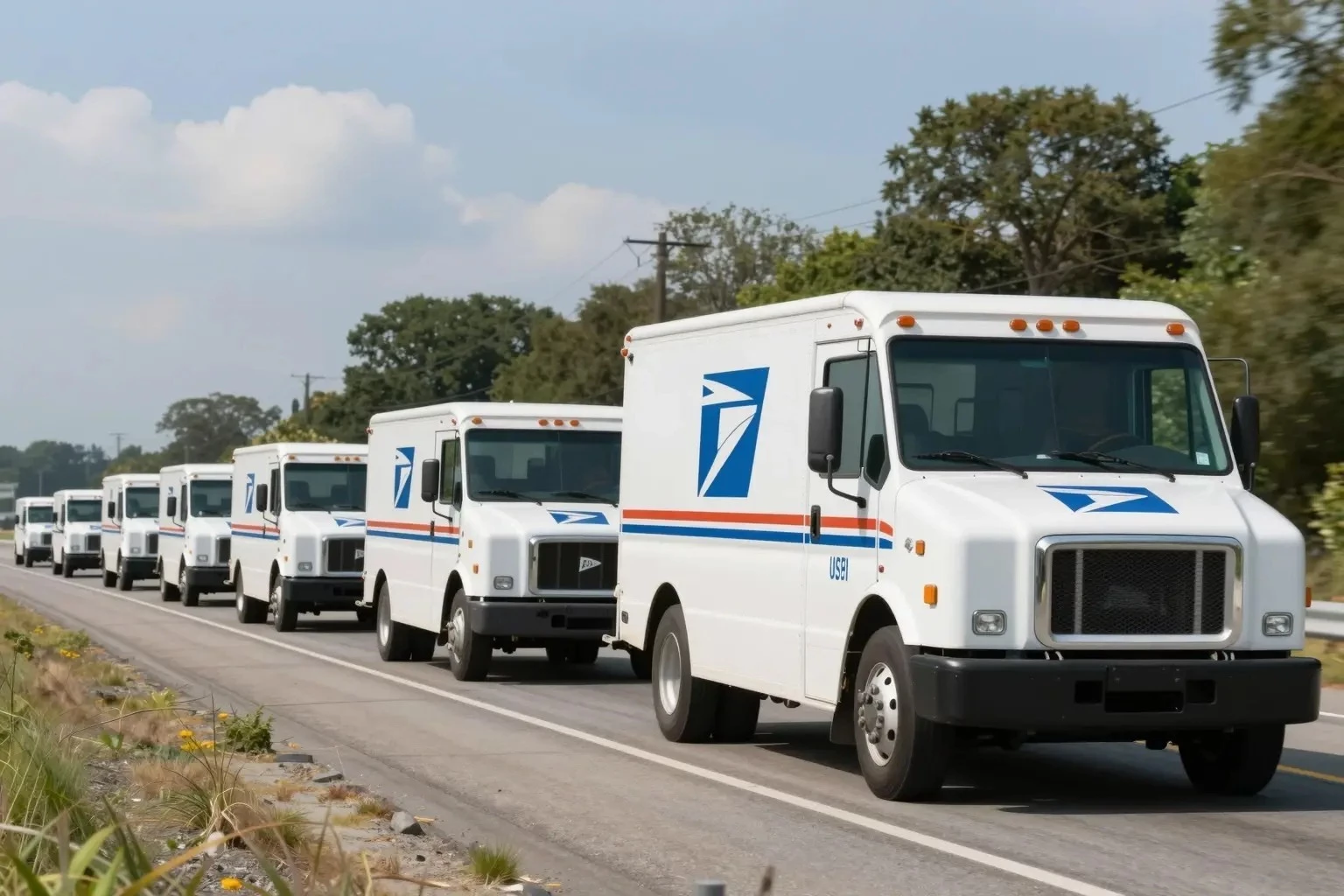
The United States Postal Service (USPS) is a vast and intricate network that ensures the delivery of mail and packages across the nation. As of July 2019, USPS continues to play a crucial role in the logistics and transportation sectors, utilizing various modes of transportation to efficiently deliver mail and packages. Among these, trucks play a significant role in the USPS’s delivery and distribution operations.
The Role of Trucks in USPS Transportation
Trucks are an essential component of the USPS transportation infrastructure. They are a primary means of moving mail and packages between sorting facilities, distribution centers, and local post offices. This ground transport is crucial for maintaining the flow of mail within the postal network, ensuring timely delivery to recipients.
Logistics and Postal Services
USPS relies on a well-organized logistics network to manage the transport of mail and packages. This network includes a variety of ground operations where trucks are employed to cover different routes across the United States. In July 2019, USPS operated an extensive fleet of trucks, ranging from small delivery vehicles to large freight carriers.
- Local Delivery: Smaller trucks and vans are used for the final leg of delivery, transporting mail and packages from local post offices to recipients’ doorsteps.
- Regional Transport: Medium-sized trucks handle regional routes, moving mail between post offices and regional distribution centers.
- Long-Distance Freight: For long distances, USPS utilizes larger freight trucks to move bulk mail and packages across states.
Routes and Network Infrastructure
The USPS truck fleet navigates a complex web of routes designed to optimize delivery times and efficiency. These routes are a crucial part of USPS operations, ensuring that mail is transported swiftly from one point to another within the postal network. The infrastructure supporting these operations includes highways, local roads, and intermodal facilities where mail can be transferred between different modes of transportation.
USPS’s Commitment to Service and Efficiency
In July 2019, USPS was committed to maintaining high standards of service and efficiency in its transport operations. This commitment involves constant evaluation and optimization of its logistics and delivery systems. Trucks are a key component in achieving these goals, enabling USPS to handle the volume of mail and packages effectively.
Challenges and Solutions
USPS faces numerous challenges in its transport operations, including fluctuating fuel prices, maintenance of the truck fleet, and the need for route optimization. To address these challenges, USPS continually invests in infrastructure improvements, including upgrading its fleet with more efficient vehicles and implementing advanced logistics technologies that enhance route planning and package tracking.
Intermodal Transportation and USPS
While trucks are fundamental to USPS’s ground transportation, the service also integrates intermodal transportation methods. This involves combining truck transport with other forms of shipping, such as rail and air freight, to enhance overall efficiency and reliability. This multi-faceted approach allows USPS to adapt to varying delivery needs and geographic challenges.