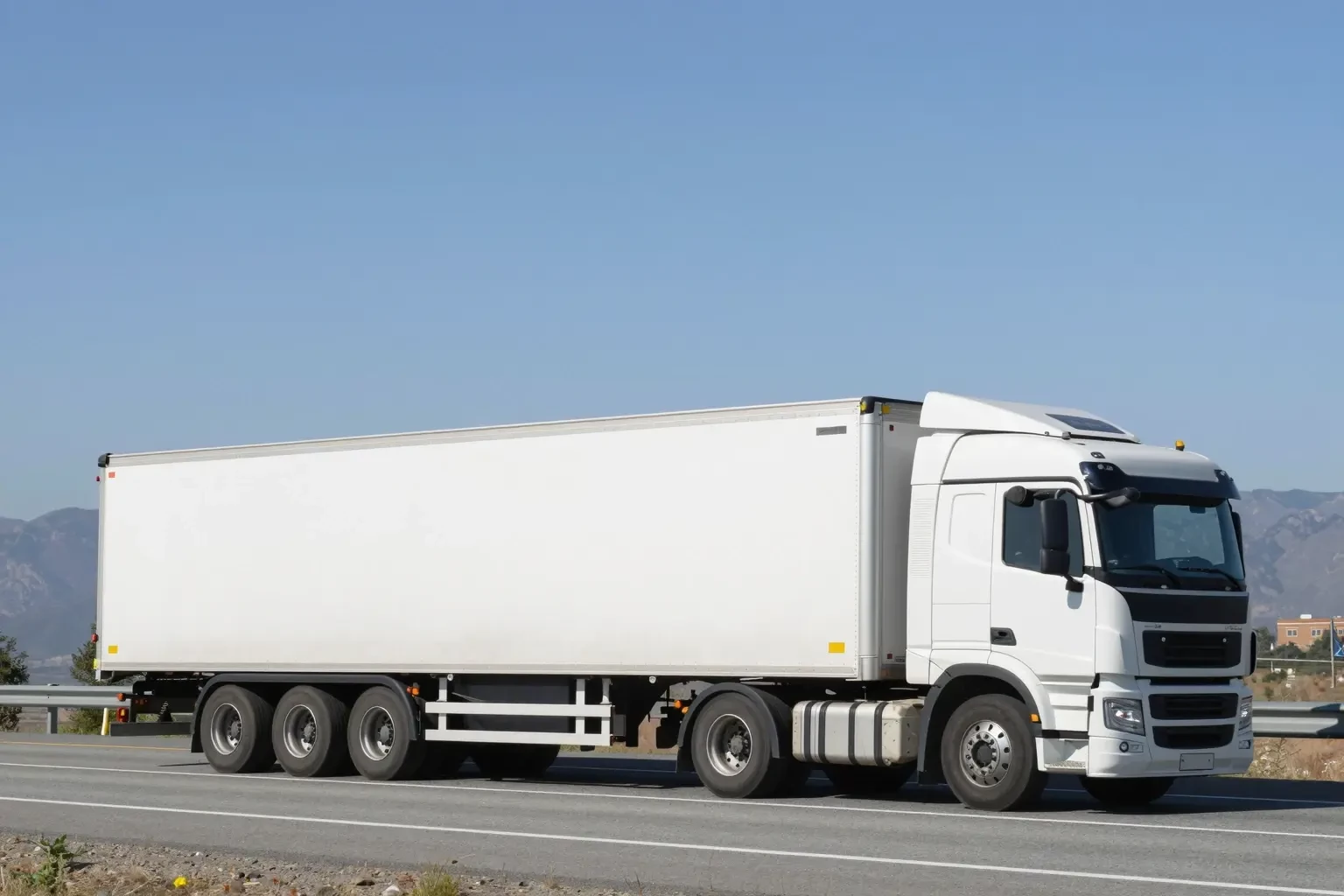
The trucking industry is a critical component of freight logistics, responsible for moving goods across vast distances. To understand the dynamics of this industry, it’s essential to delve into the specifications of transport vehicles, including their truck dimensions, trailer length, and overall vehicle size. These factors are crucial for determining cargo capacity, compliance with highway regulations, and the efficiency of hauling equipment.
Truck Dimensions and Trailer Length
When discussing truck dimensions, it is important to consider both the tractor unit and the trailer. The tractor, commonly known as the truck, is the engine-powered portion that pulls the trailer. The trailer is the non-motorized unit that carries the cargo.
Standard Truck Dimensions
Standard commercial vehicles, particularly those used in the United States, have specific dimensions that are widely accepted. The average length of a tractor unit is typically around 20 to 25 feet. However, this can vary depending on the model and brand of the truck; The height of these trucks generally ranges between 10 and 13 feet, while the width is usually about 8.5 feet, which is the maximum allowed by highway regulations without requiring special permits.
Trailer Length
The length of a trailer is a critical factor in the trucking industry, as it directly impacts cargo capacity and transport efficiency. In North America, the most common trailer lengths are 48 feet and 53 feet. The 53-foot trailer is particularly prominent because it offers additional cargo space, thereby increasing the economic efficiency of freight logistics. In certain regions, trailers can be as short as 28 feet, particularly for local deliveries or specialized hauling equipment.
Vehicle Size and Highway Regulations
Highway regulations play a significant role in determining the allowable dimensions of transport vehicles. These regulations are put in place to ensure the safety of all road users and to protect the integrity of road infrastructure.
Legal Limits
In the United States, federal regulations set limits on the size and weight of commercial vehicles. The maximum legal length for trailers on interstate highways is typically 53 feet, though this can vary slightly by state. The total length of a truck and trailer combination is often limited to 65 to 80 feet, depending on the specific routes and state policies.
Impact on Freight Logistics
The size of transport vehicles affects how freight logistics are managed. Larger vehicles can carry more cargo, reducing the number of trips needed and thus lowering transportation costs. However, they also require more space for maneuvering and parking, and they may face restrictions in urban areas where road sizes are limited.
Commercial Vehicles and Cargo Capacity
Understanding the relationship between vehicle size and cargo capacity is vital for maximizing efficiency in the trucking industry. The cargo capacity of a transport vehicle is determined by its trailer length and the weight it can safely carry.
Weight Considerations
Commercial vehicles must adhere to strict weight restrictions to prevent damage to roads and bridges. The maximum allowable weight for a fully loaded truck is usually around 80,000 pounds, including the weight of the truck and trailer itself. This weight limit ensures that the vehicles can safely maneuver on public roads without causing undue stress to infrastructure.
Optimizing Cargo Capacity
To optimize cargo capacity, trucking companies often use advanced logistics software to plan their routes and loads efficiently. This includes ensuring that the truck dimensions and trailer length are suitable for the cargo being transported and that the vehicle complies with all relevant highway regulations.
The Role of Hauling Equipment in the Trucking Industry
Hauling equipment is an integral part of the trucking industry, enabling the transport of diverse types of cargo. From flatbeds to refrigerated trailers, each type of hauling equipment is designed to meet specific needs and regulatory requirements.
Types of Trailers
- Flatbed Trailers: Ideal for transporting oversized and irregularly shaped cargo that does not fit within enclosed trailers.
- Refrigerated Trailers: Also known as reefers, these are used for transporting perishable goods that require temperature control.
- Tanker Trailers: Used for liquid cargos, such as fuel or chemicals, and are built with safety features to prevent spills and leaks.
Trailer Compatibility
Choosing the right trailer type is crucial for ensuring that the cargo is transported safely and efficiently. Compatibility between the tractor unit and the trailer is essential, as it affects the overall stability and performance of the transport vehicle.