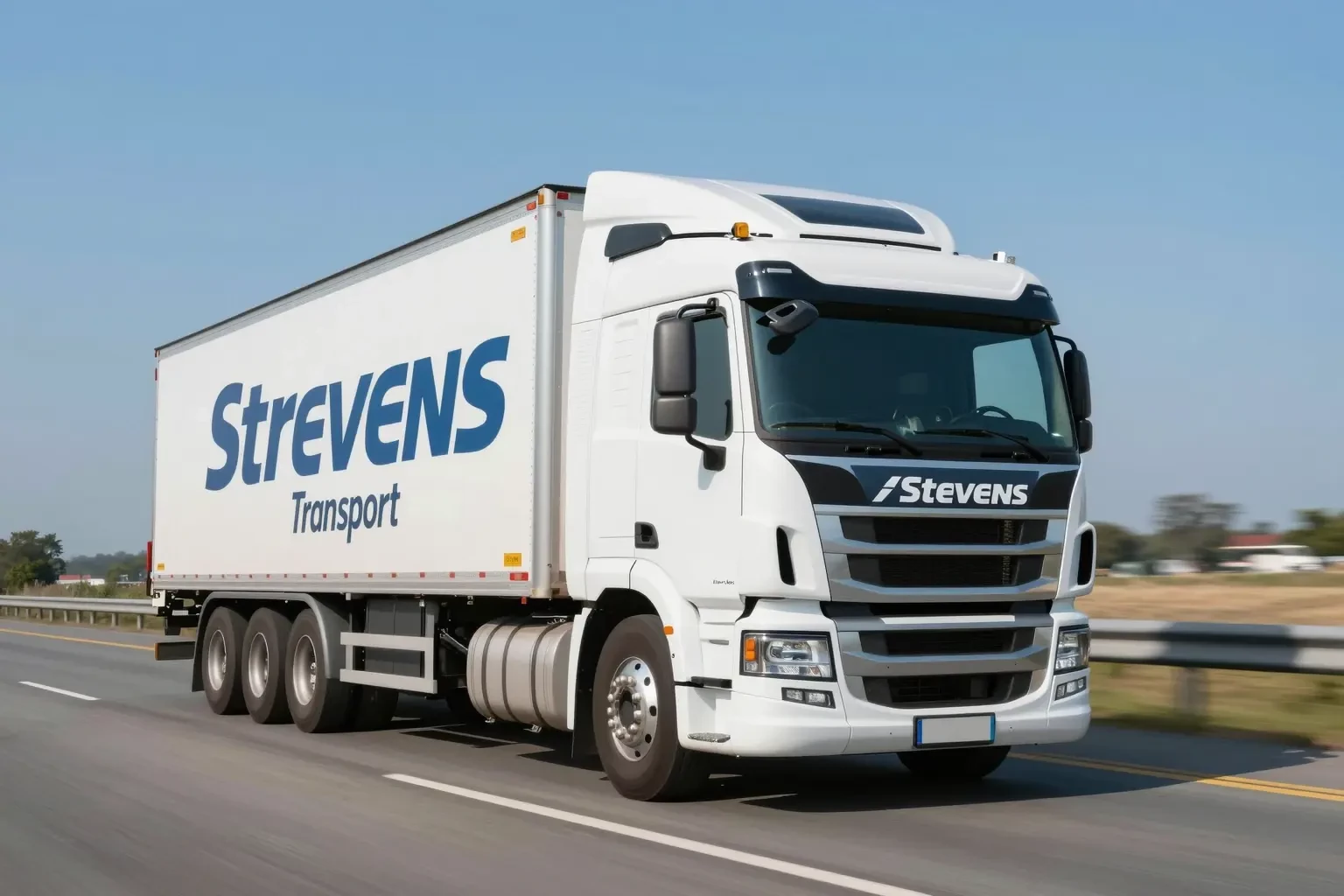
The trucking industry is a critical component of modern logistics and transportation systems. Among the prominent players in this domain is Stevens Transport, a leading trucking company known for its efficient freight delivery services. Understanding the speed of Stevens Transport trucks involves delving into various factors including highway regulations, fleet performance, and safety standards. This article explores these aspects to provide a comprehensive overview of the speed capabilities and operational efficiency of Stevens Transport trucks.
The Role of Speed in Trucking
Speed is a crucial element in the transportation industry, impacting delivery schedules, fuel efficiency, and overall logistics management. In the context of Stevens Transport, the speed at which their trucks travel is influenced by numerous factors including highway regulations, route planning, and the performance of their vehicles’ engines.
Highway Regulations and Speed Limits
One of the primary determinants of truck speed is the set of highway regulations governing speed limits. These regulations are enforced to ensure the safety of all road users and to prevent accidents. Typically, speed limits for trucks are lower than those for passenger vehicles. On interstate highways, the speed limit for trucks might range from 55 to 70 miles per hour, depending on state-specific laws. Stevens Transport, like other trucking companies, must comply with these regulations to maintain safety and avoid legal penalties.
Fleet Performance and Vehicle Capability
The performance of Stevens Transport’s fleet is another critical factor influencing truck speed. The company invests in high-performance engines to enhance the speed and efficiency of their vehicles. These engines are designed to balance power and fuel efficiency, ensuring that trucks can maintain optimal speeds while minimizing fuel consumption. Additionally, the capacity of the trucks to handle various freight loads can impact their speed, with heavier loads generally resulting in slower travel.
Enhancing Efficiency and Delivery Timeliness
Efficiency in logistics is not solely about speed but also involves optimizing delivery routes and managing travel schedules. Stevens Transport employs advanced logistics strategies to enhance efficiency, ensuring timely deliveries while adhering to speed regulations.
Route Optimization
One of the strategies used by Stevens Transport to improve efficiency is route optimization. By analyzing traffic patterns, road conditions, and delivery schedules, the company can plan the most efficient routes for their trucks. This not only helps in reducing travel time but also contributes to fuel savings and reduced wear and tear on the vehicles.
Driver Training and Safety Standards
Drivers play a pivotal role in maintaining speed and safety on the highways. Stevens Transport prioritizes driver training to ensure that their drivers are well-versed in safety protocols and efficient driving techniques. This training covers aspects such as speed management, defensive driving, and adherence to traffic regulations, all of which contribute to the overall safety and performance of the fleet.
Industry Trends and Technological Advancements
The trucking industry is evolving with technological advancements that further influence the speed and efficiency of freight transportation. Stevens Transport is at the forefront of adopting these innovations to enhance their operational capabilities.
Telematics and Fleet Monitoring
Telematics systems are increasingly being used to monitor fleet performance and driver behavior in real-time. Stevens Transport utilizes these systems to track the speed of their trucks, ensuring compliance with regulations and optimizing performance. The data collected through telematics can also be used to identify areas for improvement and to implement necessary changes to enhance fleet efficiency.
Advanced Engine Technology
Advancements in engine technology have led to the development of more efficient and powerful engines for trucks. Stevens Transport leverages these technological advancements to improve the speed capabilities of their fleet while maintaining fuel efficiency and reducing emissions. This not only benefits the company in terms of cost savings but also aligns with environmental sustainability goals.
The speed of Stevens Transport trucks is a result of a combination of factors including highway regulations, fleet performance, and strategic logistics management. While speed is vital for efficiency and timely deliveries, safety remains a paramount consideration. By investing in advanced technologies, optimizing routes, and prioritizing driver training, Stevens Transport continues to enhance its operational efficiency and maintain its reputation as a leader in the trucking industry.
In the ever-evolving transportation landscape, Stevens Transport’s commitment to innovation and adherence to regulatory standards ensures that their trucks operate at optimal speeds, delivering freight safely and efficiently across highways.