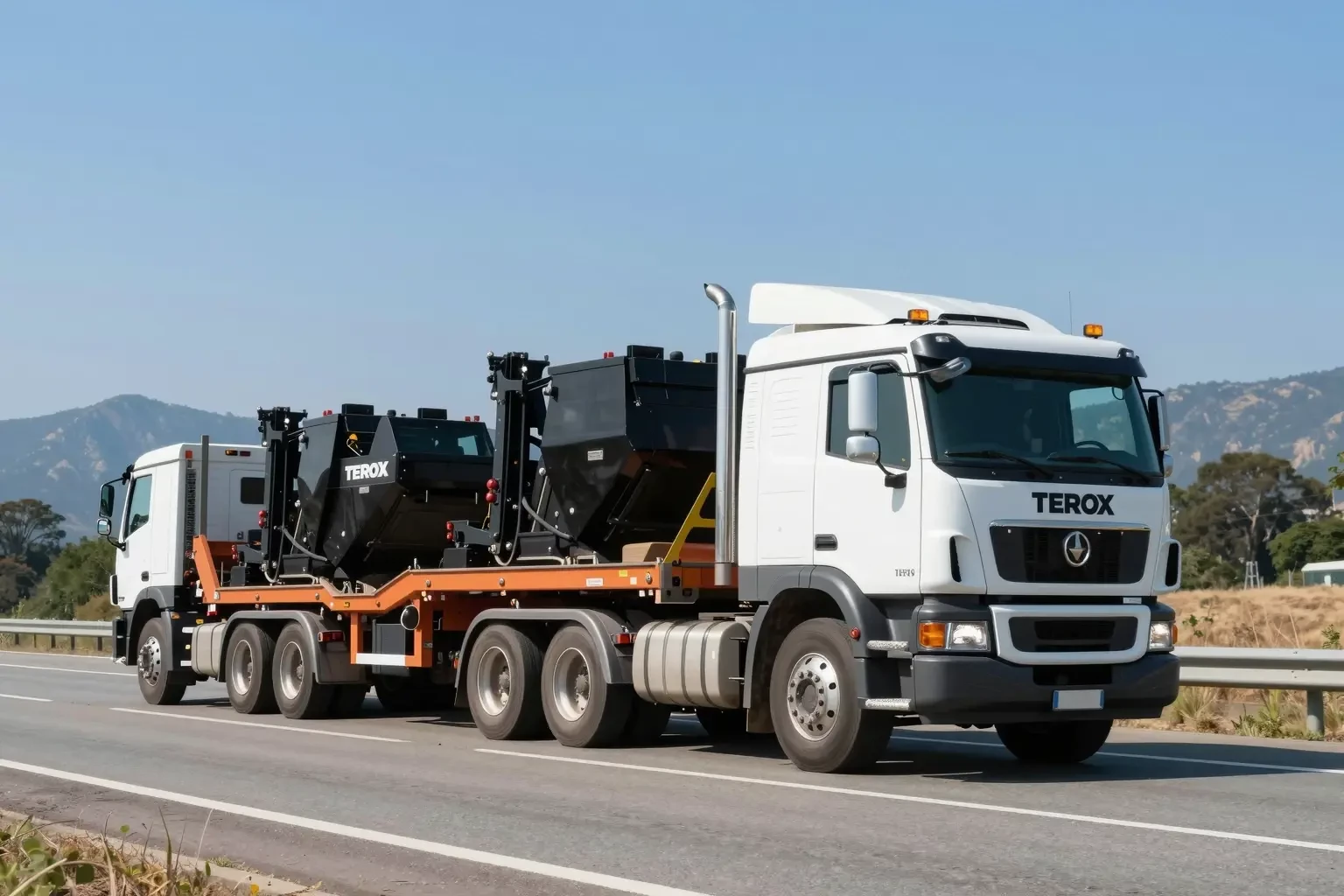
Transporting Terex trucks‚ like other heavy equipment‚ requires meticulous planning and execution. This process involves various logistics and transportation methods to ensure safe and efficient delivery. In this article‚ we will explore the key aspects involved in the transportation of Terex trucks‚ including flatbed trailers‚ oversized load management‚ necessary permits‚ escort vehicles‚ and more.
Understanding the Basics of Heavy Equipment Transportation
Heavy equipment such as Terex trucks plays a crucial role in the construction industry. These machines are essential for large-scale projects and need to be transported with care. The process involves several critical steps to ensure that the equipment reaches its destination safely and on time.
Logistics and Transportation Methods
The logistics of transporting heavy equipment like Terex trucks require strategic planning. The primary transportation methods include using flatbed trailers that can handle the oversized load. These trailers are specifically designed to accommodate the weight and dimensions of large equipment.
Flatbed Trailers and Oversized Load Management
Flatbed trailers are commonly used for transporting Terex trucks due to their ability to support heavy weights and large sizes. When dealing with an oversized load‚ it is essential to ensure that the load is properly secured to prevent any movement during transit. Proper weight distribution is also crucial to maintaining balance and stability.
Permits and Escort Vehicles
Transporting an oversized load like a Terex truck often requires special permits. These permits are necessary to comply with local and state safety regulations. Additionally‚ escort vehicles may be required to accompany the transport vehicle to ensure safe passage through areas with tight turns or low clearance.
Route Planning and Safety Regulations
Route planning is a critical component of transporting Terex trucks. It involves identifying the most efficient and safest path to the destination‚ considering factors such as road conditions‚ traffic patterns‚ and bridge clearances. Adhering to safety regulations is paramount to prevent accidents and ensure a smooth journey.
Loading Techniques and Unloading Procedures
Proper loading techniques are essential to prevent damage to the equipment and the transport vehicle. This involves using the right tools and methods to lift and position the Terex truck onto the trailer. Once the destination is reached‚ careful unloading procedures must be followed to safely remove the truck from the trailer.
The Role of Transport Companies and Crane Services
Professional transport companies specialize in the movement of heavy equipment. They have the expertise and special equipment needed to handle such tasks. Additionally‚ crane services may be employed to assist with loading and unloading‚ especially for larger trucks that require lifting.
Securement and Weight Distribution
Ensuring that the load is secure is one of the most important aspects of heavy equipment transportation. Proper securement techniques prevent shifting during transit. Weight distribution also needs to be carefully considered to avoid any imbalance that could lead to accidents.
Freight Shipping and Cost Considerations
The cost of transporting Terex trucks is influenced by various factors‚ including the distance‚ the size and weight of the load‚ and any additional services required‚ such as crane services or escort vehicles. Freight shipping companies provide quotes based on these parameters.
Delivery Timelines and Efficiency
Delivery timelines are critical‚ especially in the construction industry where delays can lead to increased costs and project setbacks. Efficient planning and execution are essential to meeting these deadlines and ensuring that the Terex trucks arrive as scheduled.
Transporting Terex trucks is a complex process that involves careful planning and execution. From route planning to loading techniques and compliance with safety regulations‚ each step is crucial to ensuring safe and efficient delivery. By understanding the logistics and transportation methods involved‚ and working with experienced transport companies‚ the challenges of moving heavy equipment can be effectively managed.