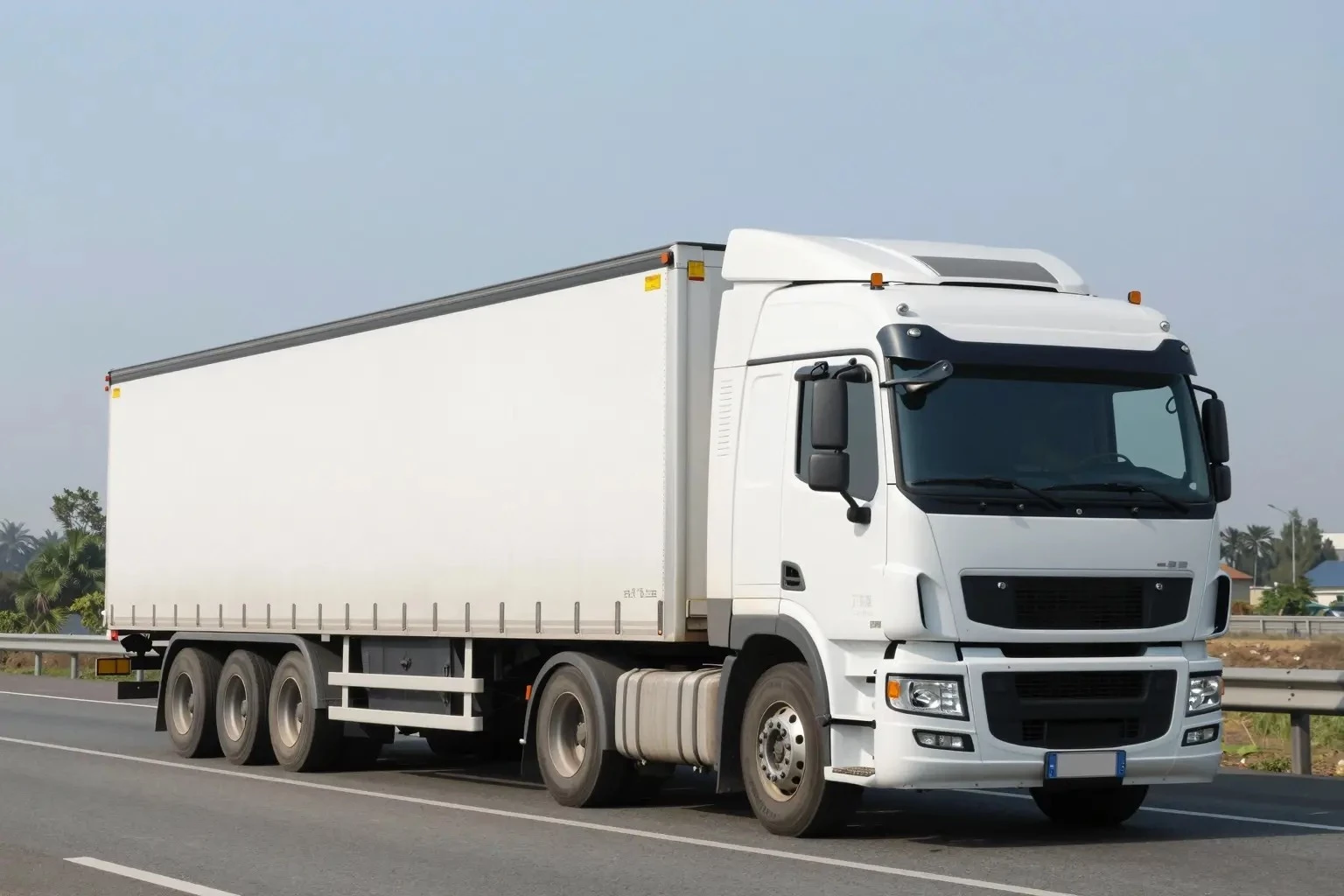
The transportation industry has undergone significant evolution over the years, and one of the pivotal advancements has been the introduction of trucks․ This innovation has revolutionized logistics, freight, and the overall movement of goods, enhancing efficiency and accessibility across various sectors․
The Role of Trucks in Logistics and Freight
Trucks have become linchpins in the logistics and freight industries, facilitating the movement of cargo from one location to another with remarkable efficiency․ They provide a flexible solution for transporting goods over land, bridging the gaps between railroads, ports, and final destinations․
Efficient Delivery and Supply Chain Management
One of the primary advantages of trucks in logistics is their ability to offer efficient delivery services․ Trucks can navigate diverse routes, enabling timely deliveries and minimizing delays․ This flexibility is crucial in supply chain management, where promptness is key to maintaining inventory levels and meeting consumer demands․
Infrastructure and Distribution Networks
The trucking industry has spurred the development of extensive infrastructure and distribution networks․ Roads and highways have been expanded and improved to accommodate heavy-duty vehicles, allowing for the seamless transit of goods across vast distances․ This infrastructure is vital for effective commerce and the consistent flow of goods․
Impact on the Trucking Industry and Goods Movement
Trucks have transformed the trucking industry, making it a cornerstone of goods movement․ Their capacity to haul large volumes of goods makes them indispensable in transporting various types of cargo, from raw materials to finished products․
Innovation and Heavy-Duty Vehicles
Innovation in the design and capability of heavy-duty vehicles has further enhanced their role in transportation․ Modern trucks are equipped with advanced technologies that improve fuel efficiency, safety, and navigation․ These innovations contribute to the overall cost-effectiveness of the trucking industry․
Hauling and Routes Optimization
Trucks offer the ability to optimize hauling routes, reducing travel time and fuel consumption․ By leveraging data and technology, trucking companies can determine the most efficient paths, minimizing environmental impact and operational costs․ This optimization is crucial for maintaining competitive commerce practices․
Shipping and Commerce Dynamics
The integration of trucks into shipping and commerce has fundamentally altered these sectors․ Trucks facilitate the last-mile delivery, a critical component in ensuring that goods reach their final destinations, whether it be retail stores or consumer doorsteps․
Transit Systems and Accessibility
Trucks have improved transit systems by providing accessibility to remote areas that may not be served by rail or air transport․ This accessibility ensures that even the most isolated communities can participate in the broader economic landscape, benefiting from the distribution of goods and services․
Cost-Effectiveness of Trucking
The cost-effectiveness of trucking makes it an attractive option for businesses looking to optimize their supply chains․ The ability to transport goods directly from manufacturers to retailers without intermediary stops reduces handling costs and potential damage to cargo․
The Future of Trucks in Transportation
As technology continues to advance, the role of trucks in transportation is likely to expand further․ Innovations such as autonomous vehicles, electric trucks, and enhanced logistics software promise to increase efficiency and reduce the environmental footprint of freight transport․
In conclusion, trucks have significantly improved the way things are transported by providing a versatile and efficient means of moving goods․ Their impact on logistics, infrastructure, the trucking industry, and overall commerce is profound, and ongoing innovations promise to further enhance their contributions to global supply chains․