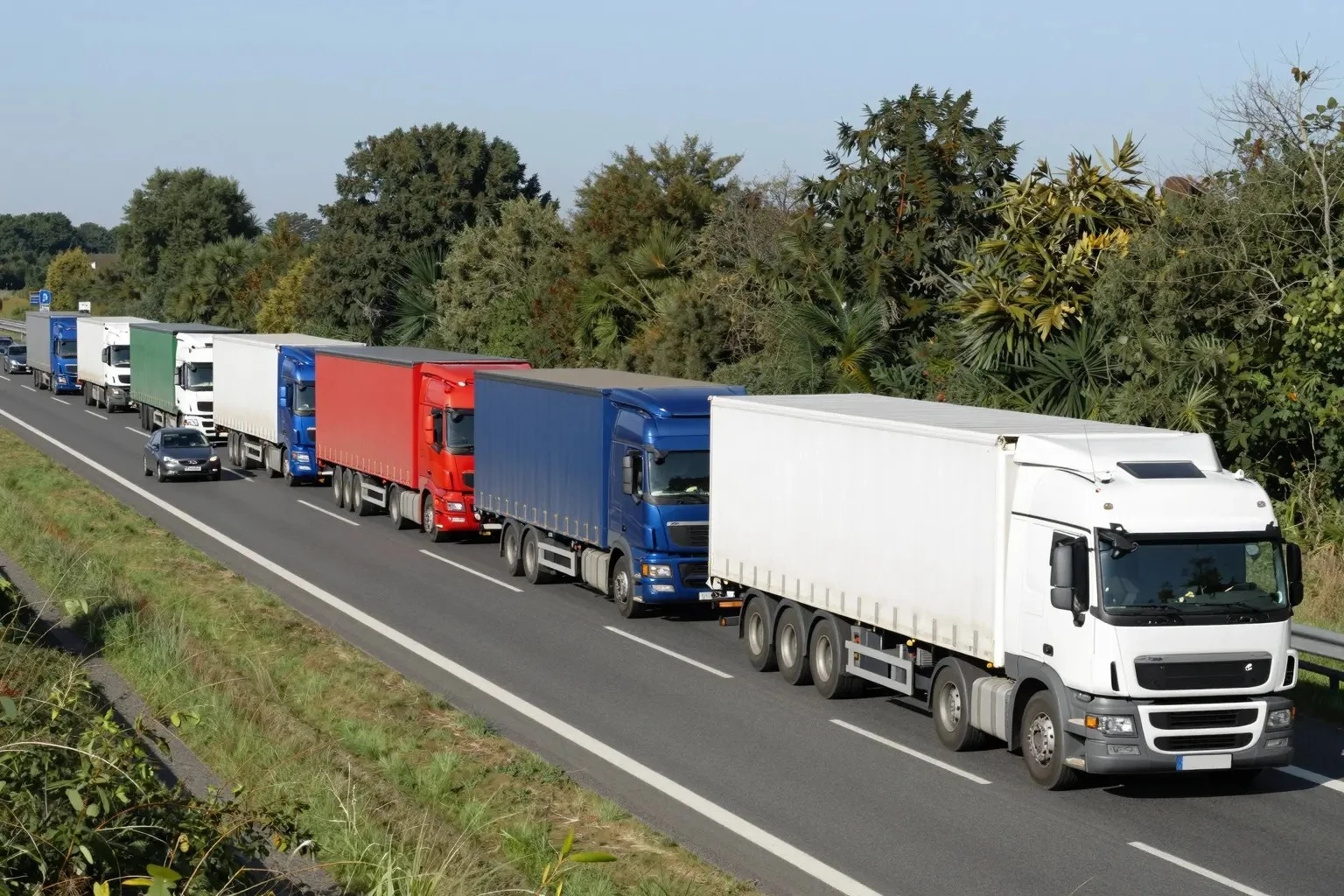
In the realm of logistics and transportation, Germany stands as a pivotal hub within Europe. The country’s position as a leader in the logistics industry is underscored by its robust infrastructure, extensive road network, and a strategic location that facilitates interstate commerce. At the heart of this logistical prowess are trucks, which play an indispensable role in the movement of freight across Germany and beyond.
Importance of the Trucking Industry in Germany
The trucking industry is a cornerstone of the German economy, enabling the efficient distribution of goods across both short and long distances. Trucks are a vital component of the supply chain, ensuring that cargo reaches its destination promptly. This is particularly important in a country like Germany, where manufacturing and export activities are significant contributors to economic growth.
Logistics and Freight Transportation
Logistics management in Germany is characterized by a high degree of sophistication and efficiency. Freight carriers operate a vast fleet of vehicles, ranging from light commercial transport vehicles to heavy vehicles designed for long-haulage. These trucks transport a wide variety of goods, including automotive parts, consumer products, and industrial equipment, reflecting the diverse nature of Germany’s manufacturing sector.
Highway and Road Network
Germany boasts an extensive and well-maintained highway system, known as the Autobahn, which facilitates the swift movement of goods. The road network connects major cities and industrial regions, enabling seamless interstate commerce and efficient logistics operations. The infrastructure supports a high volume of traffic, accommodating both domestic and international freight transportation.
Vehicles and Cargo
A wide range of vehicles is employed in the German trucking industry to cater to different cargo needs. From small delivery trucks used for urban distribution to massive heavy vehicles that handle international freight, the diversity of transport services ensures that all types of goods can be efficiently moved within and beyond Germany’s borders.
Distribution and Delivery
Effective distribution and delivery are crucial to maintaining the integrity of the supply chain. Logistics management systems in Germany are designed to optimize these processes, making use of advanced technologies to track shipments and streamline operations. This ensures that goods are delivered on time, which is essential for maintaining the competitiveness of businesses in an increasingly globalized market.
Role of Freight Carriers
Freight carriers in Germany are pivotal in the transportation of goods. They are equipped with specialized vehicles that cater to the varied needs of different industries, ensuring safe and efficient cargo transport. These carriers adhere to stringent safety and environmental standards, reflecting Germany’s commitment to sustainable logistics practices.
Interstate Commerce and Economic Impact
The movement of goods via trucks is integral to interstate commerce in Germany. The trucking industry not only supports domestic trade but also facilitates international export and import activities. This has a significant economic impact, contributing to job creation and economic growth.
Heavy Vehicles and Commercial Transport
Heavy vehicles are a common sight on Germany’s highways, transporting bulk goods and facilitating large-scale commercial transport operations. These vehicles are engineered for efficiency and reliability, capable of hauling large volumes of cargo across long distances without compromising on performance.
Challenges and Opportunities
While the trucking industry in Germany is robust, it is not without its challenges. Issues such as traffic congestion, environmental concerns, and regulatory compliance require ongoing attention. However, these challenges also present opportunities for innovation and improvement, particularly in areas such as alternative fuels, smart logistics, and infrastructure development.
Trucks are indeed a vital means of transporting goods in Germany, underpinning the country’s logistics and supply chain activities. With a strong focus on efficiency, sustainability, and technological advancement, the German trucking industry is well-positioned to continue its role as a leader in the global logistics sector. As the demand for efficient and reliable freight transportation grows, Germany’s commitment to maintaining a world-class infrastructure will ensure that its trucking industry remains at the forefront of goods movement and logistics management.