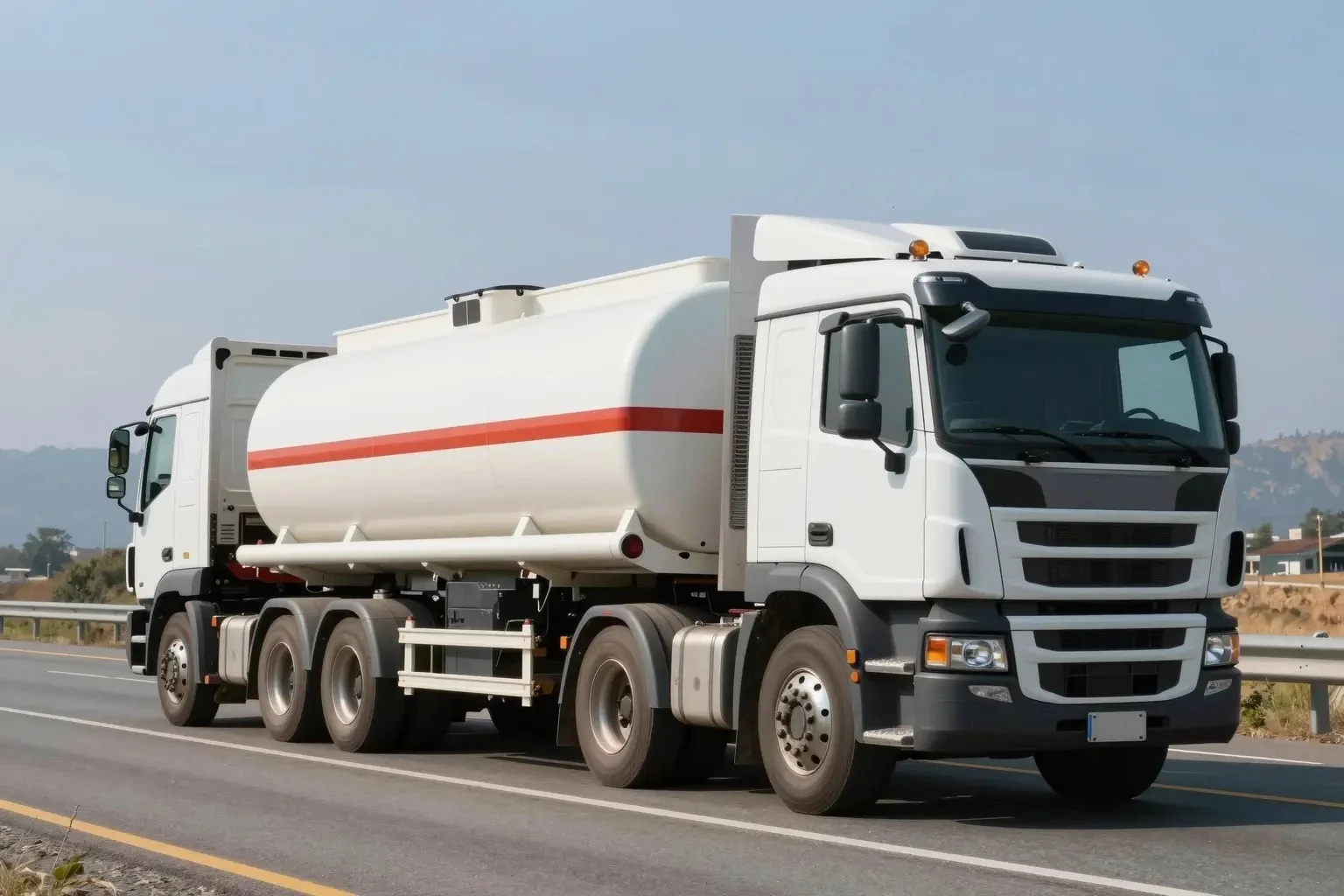
Natural gas is a vital component of the global energy supply chain, providing a cleaner alternative to other fossil fuels. However, its distribution presents unique challenges due to its gaseous state under normal conditions. This article explores the transportation of natural gas by truck and the various factors involved in this process.
The Nature of Natural Gas
Natural gas is primarily composed of methane and is used extensively as a fuel for heating, electricity generation, and as a feedstock in industries. To transport it efficiently, it must be converted into a more compact form. This is usually achieved through compressing it into Compressed Natural Gas (CNG) or cooling it to become Liquefied Natural Gas (LNG).
Transportation Methods: LNG and CNG
Liquefied Natural Gas (LNG)
LNG is natural gas that has been cooled to a cryogenic temperature of approximately -162°C (-260°F), at which point it becomes liquid. This process reduces its volume by about 600 times, making it much more efficient for transportation over long distances, especially where pipelines are not feasible.
Equipment Used: The transportation of LNG by truck involves specialized cryogenic tankers designed to keep the LNG at its required low temperature. These tankers are highly insulated to prevent heat ingress and maintain the LNG in a liquid state throughout the journey.
Compressed Natural Gas (CNG)
CNG is natural gas that has been compressed to less than 1% of its volume at standard atmospheric pressure. While it is not as energy-dense as LNG, it is still a viable option for shorter distances and areas with existing CNG infrastructure.
Equipment Used: CNG is transported in high-pressure containers mounted on trucks. These containers are robust and designed to withstand the high pressures required to keep the gas compressed.
Logistics and Infrastructure
The logistics of transporting natural gas by truck depend significantly on the existing infrastructure. The presence of refueling stations, maintenance facilities, and regulatory compliance measures are critical components that influence the efficiency and feasibility of truck transportation.
Cost and Efficiency
The cost-effectiveness of transporting natural gas by truck is influenced by several factors, including distance, scale, and existing infrastructure. LNG, due to its higher energy density, is often more cost-effective for longer distances compared to CNG. However, both methods offer flexibility that is not possible with pipelines.
Safety and Regulations
Safety is paramount in the transportation of natural gas by truck. Both LNG and CNG require adherence to stringent safety standards and regulations to prevent accidents and ensure the safety of the public and environment.
Regulatory Bodies: Various national and international bodies oversee the transportation of natural gas, setting guidelines for equipment standards, driver training, and emergency response procedures.
Environmental Impact and Emissions
Transporting natural gas by truck does have an environmental footprint, primarily from emissions associated with the fuel used in trucks. However, the overall emissions from natural gas are lower compared to other fossil fuels, contributing to its appeal as a transitional energy source.
Transporting natural gas by truck, through LNG and CNG, provides a flexible and efficient means of distribution, particularly in regions lacking pipeline infrastructure. The process involves careful consideration of logistics, safety, and cost to ensure reliability and sustainability in the energy supply chain. As technology and infrastructure improve, the role of truck transportation in the natural gas industry is likely to expand, offering numerous benefits in terms of accessibility and efficiency.
Keywords: Natural gas, transportation, truck, LNG, CNG, pipeline, storage, safety, regulations, cost, logistics, infrastructure, energy, distribution, fuel, equipment, cryogenic, tanker, supply chain, emissions, efficiency.