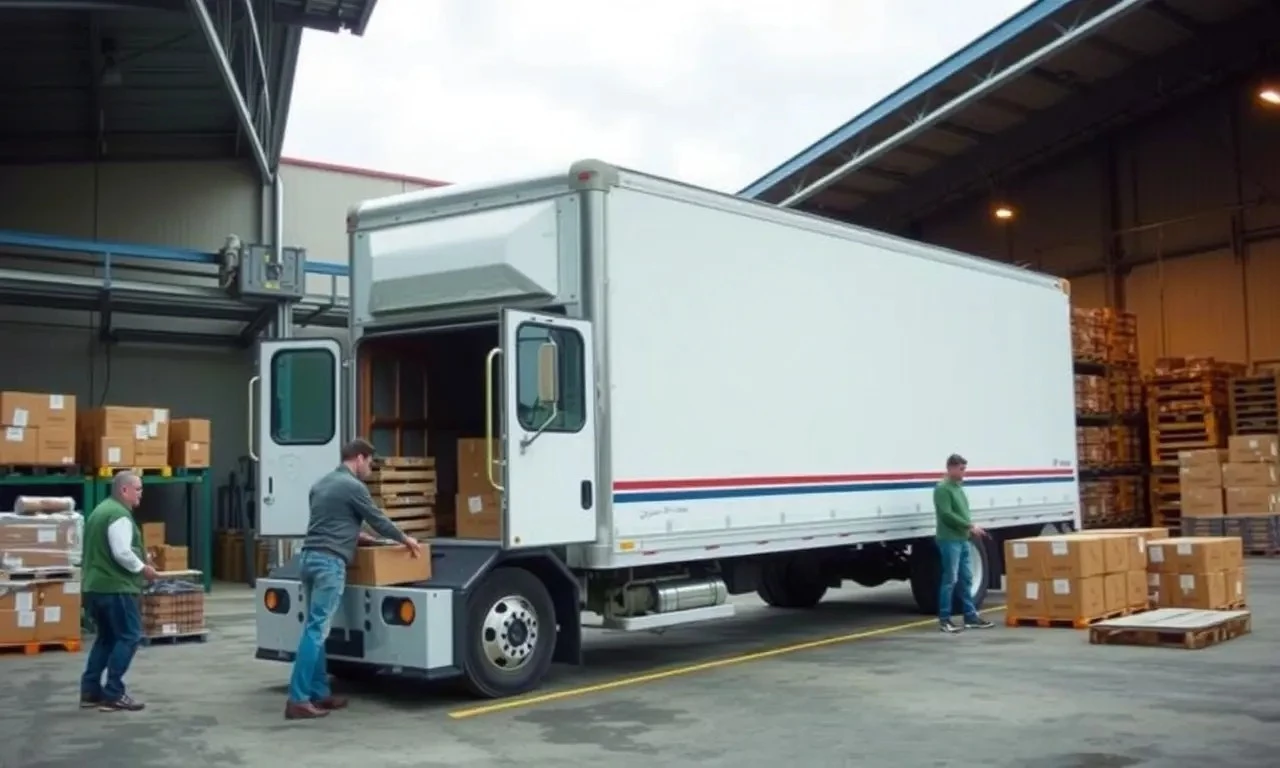
LTL shipping, or Less Than Truckload shipping, is a method of freight transport that combines shipments from multiple customers to fill a truck․ This approach is highly beneficial for businesses that have smaller shipment sizes, allowing them to share space and costs with other shippers․ But can LTL transport effectively be carried out using a 20-foot truck? Let’s delve into the logistics of this question․
Understanding LTL Shipping
LTL shipping is a popular choice in the freight transport industry because it offers a cost-effective transport solution for shipments that do not require the full load capacity of a larger vehicle․ In this context, logistics companies often use freight consolidation to combine partial loads into one truck, optimizing transportation efficiency and reducing costs for shippers․ Freight carriers play a crucial role in this process, ensuring that cargo is transported efficiently and safely to its destination․
The Role of a 20-Foot Truck in LTL Shipping
The 20-foot truck is a versatile vehicle in the trucking industry, often used for smaller loads․ It is important to consider the vehicle dimensions and load capacity when determining the suitability of a 20-foot truck for LTL transport․ Typically, a 20-foot truck can accommodate up to 10 standard pallets of goods, depending on the weight and size of the cargo․ This makes it an ideal choice for small to medium-sized shipments that do not require a larger truck․
Benefits of Using a 20-Foot Truck for LTL Shipping
- Cost-Effectiveness: Smaller trucks generally consume less fuel and incur lower operating costs, making them a cost-effective transport option for smaller shipments․
- Flexibility in Route Planning: Due to their size, 20-foot trucks can navigate through tighter spaces and access areas that larger trucks may find challenging․
- Efficient Delivery Schedules: With fewer items to manage, logistics companies can often provide more flexible and efficient delivery schedules․
Challenges and Considerations
While a 20-foot truck can be an excellent option for LTL shipping, there are challenges and considerations to keep in mind․ The truck’s limited load capacity means that careful planning is required to maximize space and ensure the safe transportation of goods․ Freight consolidation must be done thoughtfully to avoid any damage to cargo during transit․
Additionally, trucking regulations must be adhered to, including weight limits and safety standards․ Logistics companies must also be adept at route planning to optimize delivery schedules and minimize delays, ensuring that all shipments reach their destinations on time․
Impact on the Supply Chain and Distribution
Incorporating 20-foot trucks into the supply chain for LTL shipping can enhance distribution efficiency by providing a reliable option for smaller shipments․ This can be particularly advantageous for businesses that deal with palletized goods and require frequent, smaller deliveries․ By utilizing 20-foot trucks, companies can streamline their operations and improve overall supply chain efficiency․
Moreover, the use of smaller trucks can contribute to reduced environmental impact due to lower fuel consumption and emissions compared to larger vehicles; This aligns with the growing emphasis on sustainability within the logistics industry․