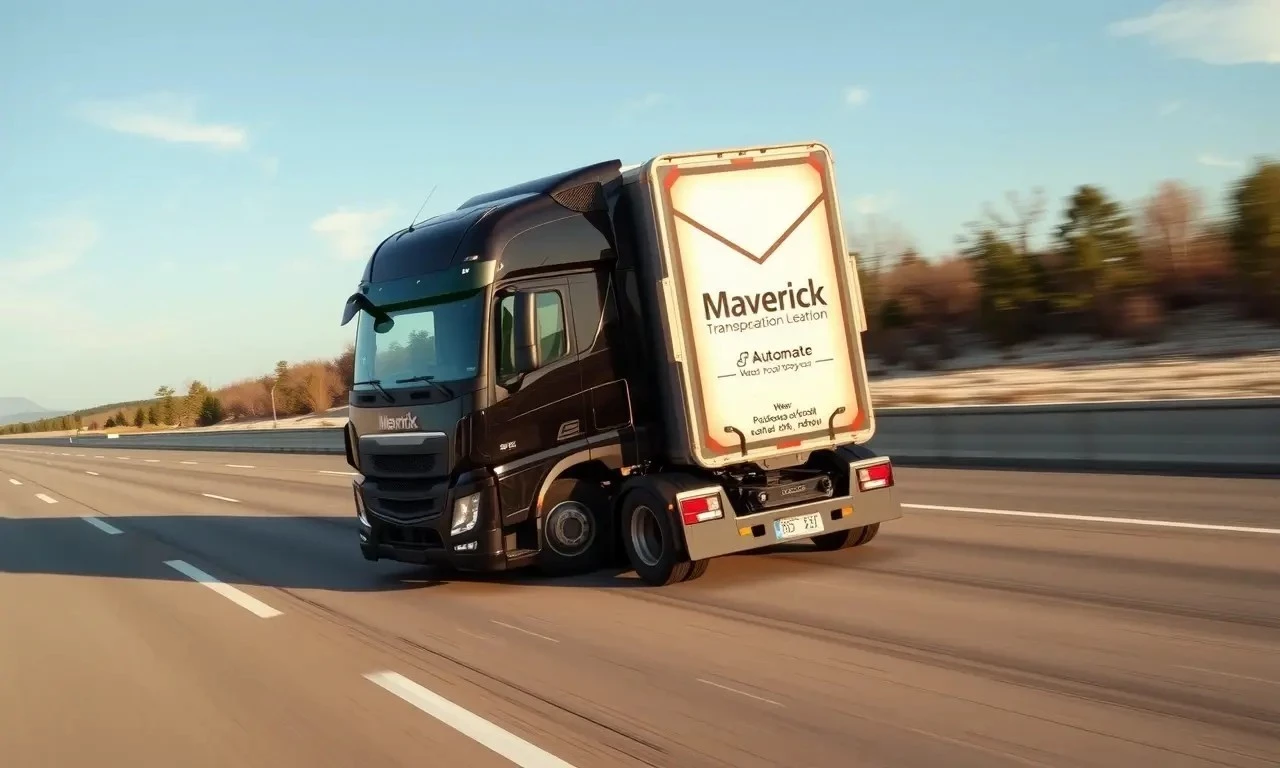
The trucking industry is a cornerstone of the global economy, facilitating the movement of goods across vast distances.
As the industry evolves, so too does the technology that powers commercial vehicles. One significant advancement in
transportation technology is the shift from manual to automatic transmissions. This change is reshaping fleet management
practices and improving driver comfort, fuel efficiency, and overall logistics operations.
The Shift to Automatic Transmissions in Commercial Vehicles
Traditionally, the trucking industry has relied heavily on manual transmissions. These systems offer drivers a high degree
of control over the vehicle, which is particularly beneficial in challenging driving conditions. However, manual
transmissions require significant driver skill and can lead to fatigue, especially on long hauls.
In recent years, automatic transmissions have gained popularity within the industry. These systems simplify the driving
experience by eliminating the need for manual gear changes, which can enhance driver comfort. Automatic transmissions
also contribute to better fuel efficiency by optimizing gear shifts based on real-time driving conditions.
Maverick Transportation’s Approach
Maverick Transportation, a prominent player in the trucking industry, has embraced the shift towards automatic
transmissions. Known for its commitment to driver safety and comfort, Maverick Transportation has incorporated
automatic transmission systems into its fleet of commercial vehicles.
Advantages of Automatic Transmissions
- Driver Comfort: Automatic transmissions reduce the physical demand on drivers, allowing them to
focus more on the road and less on gear changes. This leads to less fatigue and a more comfortable driving experience. - Fuel Efficiency: Automatic systems can optimize fuel consumption by ensuring that the engine operates
within its most efficient range. This can lead to significant cost savings for fleet management. - Ease of Use: With automatic transmissions, new drivers can learn to operate commercial vehicles more
quickly, reducing the time and resources needed for driver training.
Challenges and Considerations
While automatic transmissions offer numerous benefits, they are not without challenges. The initial cost of automatic
transmission systems can be higher than their manual counterparts. Additionally, maintenance and repair of these systems
can require specialized knowledge, which may not be readily available in all regions.
Fleet Management and Logistics
Fleet management is a critical aspect of the trucking industry, encompassing everything from vehicle maintenance to
route optimization. With the integration of automatic transmissions, fleet managers can focus on enhancing logistics
operations and improving overall efficiency.
The reduction in driver training time and the ability to attract a broader pool of drivers are significant advantages
for companies like Maverick Transportation. By investing in transportation technology, these companies can maintain
a competitive edge in the industry.
The transition to automatic transmissions in the trucking industry reflects a broader trend towards enhanced driver
comfort, improved fuel efficiency, and streamlined logistics. Companies like Maverick Transportation are leading the
charge, demonstrating the benefits of embracing modern transportation technology. As the industry continues to evolve,
the role of automatic transmissions in commercial vehicles will only grow, offering new opportunities and challenges
for fleet management.