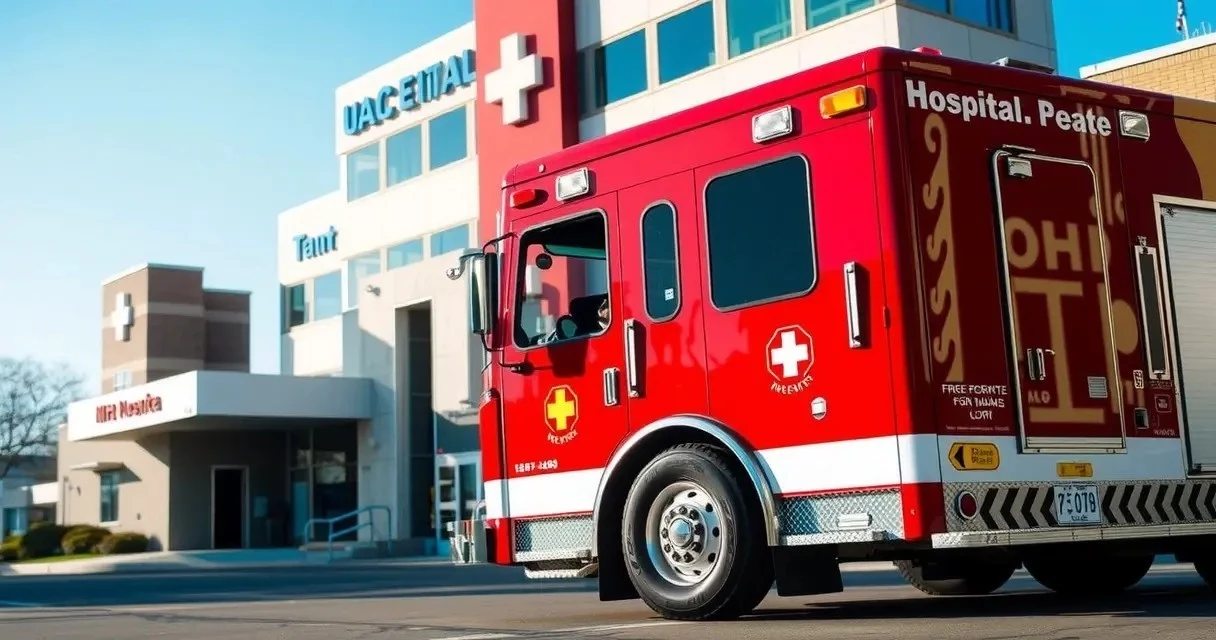
When it comes to emergency services, many people often wonder about the specific roles different vehicles play, particularly in critical situations. One common question is whether fire trucks are used to transport patients. Understanding the roles of various emergency vehicles, such as ambulances and fire trucks, is crucial in appreciating how comprehensive emergency response systems work to ensure public safety.
The Role of Fire Trucks in Emergency Services
Fire trucks are primarily designed for fire suppression and rescue operations. They are equipped with hoses, water tanks, ladders, and other firefighting tools, making them indispensable in situations requiring fire department intervention. However, their role extends beyond firefighting. Fire trucks and their crews, often comprising trained first responders and paramedics, are frequently dispatched to various emergencies, including medical emergencies and accident scenes.
Medical Response and Assistance
While fire trucks do carry some medical equipment and personnel trained in basic life support, they are not primarily used for patient transport. Instead, their main function in medical emergencies is to provide immediate medical assistance and stabilize patients until an ambulance arrives. Firefighters and paramedics on these trucks can perform essential pre-hospital care, such as administering oxygen, performing CPR, and controlling bleeding, which can be life-saving in critical moments.
Why Fire Trucks Don’t Usually Transport Patients
There are several reasons why fire trucks are not typically used for transporting patients:
- Lack of Specialized Equipment: Unlike ambulances, fire trucks are not equipped with advanced medical equipment necessary for transporting patients, such as stretchers, defibrillators, or extensive trauma care supplies.
- Design and Capacity: Fire trucks are built to carry firefighting gear and rescue tools, not to accommodate patients comfortably and safely during transport.
- Transportation Logistics: The design and seating arrangement of fire trucks are not conducive to transportation logistics involving patients, especially those requiring continuous medical attention.
The Role of Ambulances in Patient Transport
Ambulances are the primary vehicles used in patient transport during medical emergencies. They are equipped with comprehensive medical kits, stretchers, and advanced life support systems to facilitate trauma care and other medical needs while en route to healthcare facilities. The EMS (Emergency Medical Services) teams staffing ambulances are trained to provide specialized pre-hospital care and monitor patients’ vital signs during transit, ensuring that they receive continuous care from the accident scene to the hospital.
The Collaborative Effort in Emergency Response
During emergencies, a coordinated response from various services is crucial for effective rescue operations. Fire departments, EMS, and other emergency services work together to optimize outcomes for patients involved in medical emergencies and accidents. Fire trucks often arrive at the scene first due to their strategic positioning and readiness, providing initial aid and stabilizing the situation.
Once the fire department ensures the immediate safety of the scene, ambulances take over the role of patient transport, enabling a seamless transition to hospital care. This collaboration is vital in life-saving scenarios where every second counts, highlighting the importance of an integrated emergency response system.